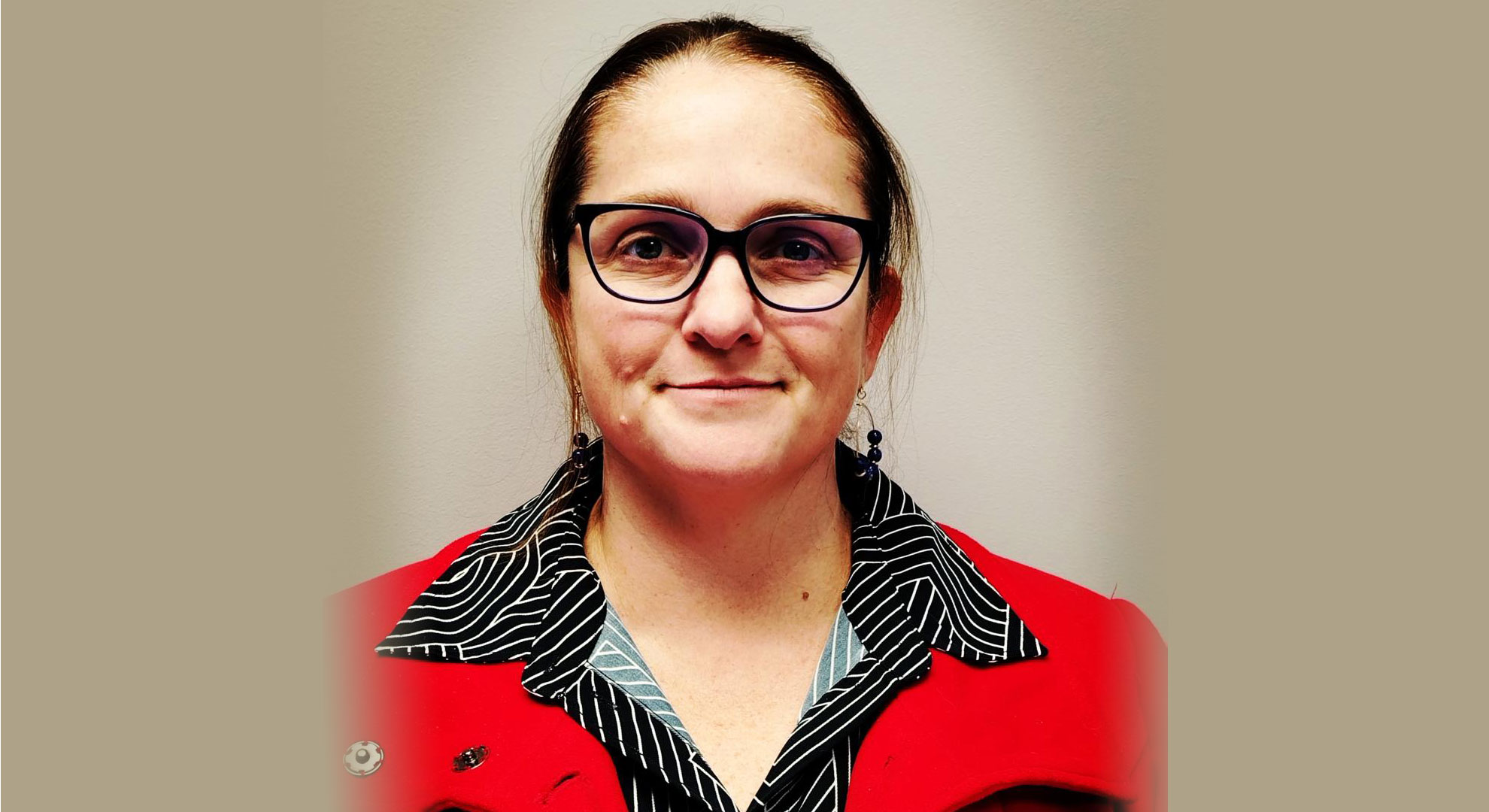
Tezne Saunders, Finance Director at Sentiv
Fifteen years ago, finance was largely judged on accuracy and compliance. Finance teams were expected to keep the books accurate and the reporting compliant. That discipline is still the foundation, but over time I have come to see the role very differently.
A finance leader’s value lies in helping the business understand what the numbers mean for the decisions ahead. That requires being part of conversations about strategy, workforce planning, risk and technology investment, rather than receiving the outcome once decisions have already been made.
I think the same is true of leadership more broadly. A title may give someone a seat at the table, but real influence comes from being trusted to shape the decisions made there.
Finance has moved closer to the business
At Sentiv, I work in a technology business operating across mission-critical communications, IoT, cybersecurity, and operational intelligence. The environment changes quickly, so standing still can carry its own financial risk.
Innovation, diversification, and expansion form part of the longer-term financial picture. My role is to create enough discipline around those choices that the business can invest with a clear understanding of what it is taking on.
Long-range planning and scenario modelling help us test the funding requirement, expected payback and downside risk before committing to a new capability or market. Financial discipline should give the business room to move with confidence, while protecting the core operation as it invests in where it needs to go next.
Difficult decisions still have people behind them
Some of the hardest lessons in finance come from decisions about costs, operating models, or underperformance. There is always a person on the other side of the spreadsheet.
I have learned that delaying a difficult decision rarely makes it easier. Avoiding the problem can allow it to grow, ultimately creating greater uncertainty for everyone.
The way a decision is handled is part of the responsibility. I try to explain the reasoning, be transparent about what led to it, and ensure it is consistent with the organisation’s purpose and values.
A financially unstable business cannot give people long-term security or continue investing in their development. Sometimes the responsible choice is uncomfortable in the short term because it protects the organisation’s long-term health.
Credibility is built over time
That idea of being trusted to shape decisions has also influenced how I think about women in leadership.
Early in my career, I often felt that competence was assumed for male peers, while women had to demonstrate it before receiving the same level of confidence. There was also a tendency to view women in finance as strong on detail, while strategic or commercial judgement was less readily assumed.
I made sure my technical grounding was beyond question. Qualifying as a CA(SA) gave me that foundation, and I deliberately learned to speak about business strategy and risk in every forum I entered.
Executive credibility accumulates through the work. It comes from understanding the business, being direct about risks people may not want to hear, and following through on commitments. I also learned to take ownership beyond the strict finance remit when the business needed it, which built trust in my judgement as well as my financial expertise.
A senior title is only the beginning
Appointing more women to leadership roles is necessary, but the appointment itself cannot be the end of the effort.
Women need genuine influence once they arrive. Their voices need to carry weight in decision-making, and they need the same space as their peers to take considered risks and recover from setbacks without derailing their progress.
Sponsorship can make a significant difference. Senior leaders who put someone’s name forward for stretch opportunities and advocate for them when they are not in the room can change the trajectory of a career.
Women also need responsibility beyond support functions, including commercial and operational accountability, because influence tends to grow where responsibility sits. If women remain concentrated in support functions, the route into roles that shape strategy will remain narrower than it should be.
The structure around those careers is equally important. Flexibility needs to exist in practice and be used without penalty, including at senior levels, so that progression does not quietly become conditional on having fewer responsibilities outside work.
For me, Women’s Month is useful when it pushes us to look beyond representation and examine what happens after someone gets the title. Sustainable careers are built when women are trusted with real responsibility and backed for the opportunities that allow their authority to grow over time.
The strongest sign of progress will be when women succeeding in senior leadership becomes an ordinary outcome of how a well-run organisation develops and trusts its people.